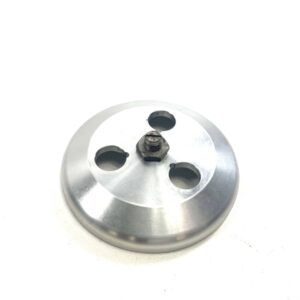
Clutch

Clutch Parts and Plates

A clutch that slips or drags will spoil an otherwise finished machine, and on the bikes we supply the cause is usually on a short list: tired friction material, a warped steel plate, springs that no longer pull the stack together, or a centre and chainwheel run past the point of wear. This category gathers what we hold for those jobs across the marques.

Friction and steel plates, springs and adjusters, centres and chainwheels, pushrods and release components, listed per engine family where fitment is specific and as general stock where it is not.

Brands & Models
Brands & Models
Tags
Tags

Plates, springs or the whole basket?

Worth settling before you order, because the three fail differently. Slip under load points at friction material or at springs that have gone soft. Drag with the lever pulled right in is more often a warped plate or a worn release mechanism. Notching on the chainwheel and the centre is a third problem altogether and no set of plates will cure it. Measure the friction plates against the figure in your manual rather than judging them by eye: a stack that is within tolerance and a stack that merely looks serviceable are not the same thing.

What this category holds

  • Friction and steel plates — listed per engine family
  • Springs and adjusters — pressure plate springs, nuts and screws
  • Centres and chainwheels — where available for the model
  • Release parts — pushrods, thrust components, operating hardware
  • Cables — clutch cables and fittings

Look at the primary while you are in there

The clutch shares its housing with the primary drive, so chain, sprockets and the primary case joint are all far easier to deal with now than in six months. Tell us what you have planned and we will check the related parts in the same message.