It leaks at the port, not at the joint
Most exhaust leaks on these engines are at the cylinder head rather than anywhere further down the system. The pipe is held by a collar nut running on a thread cut into the head itself, and that thread is the one part nobody wants to damage: it is soft, it is usually full of carbon, and once it has been pulled it becomes a specialist repair. Clean the thread out before the pipe goes near it, fit the correct sealing ring instead of a wrap of something, and use a proper peg spanner rather than a punch and hammer. Where a finned clamp is fitted it does the holding while the nut does the sealing, so both want to be in sound condition.
What this category covers
- Pipes: front pipes and link pipes for the models we list them for
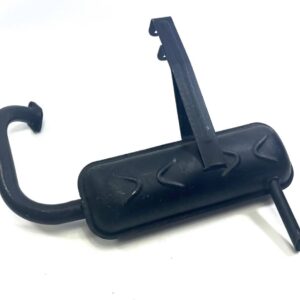
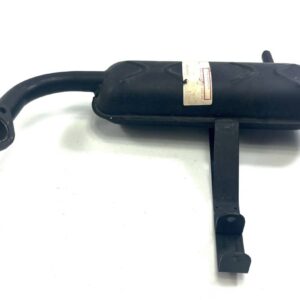
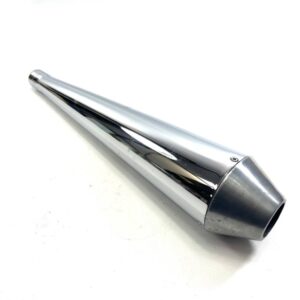
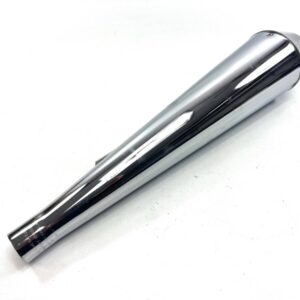
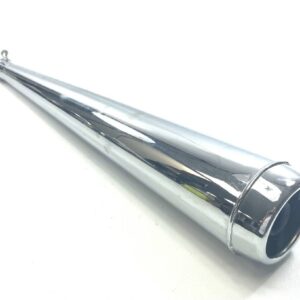
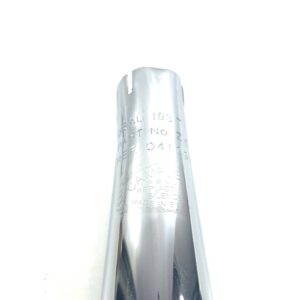
- Silencers: period patterns, push-in and clamped
- Port hardware: collar nuts, finned clamps and sealing rings
- Mounting: brackets, straps, clips and rubber mounts
Check the fit before ordering
Pipe diameter and the shape of the bend are what decide whether a system clears the frame and the footrests. Tell us the model and what is on the bike now, and send a photograph from the side with the machine on its stand.