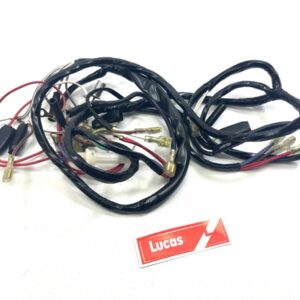
Wiring

Wiring, Harnesses and Connectors

Most electrical faults on a classic are not component failures. They are a corroded bullet connector, an earth strap bolted to painted metal, or a loom that was hacked about decades ago and taped up ever since. Replacing the wiring is often less work than chasing a fault through it.

We list harnesses and the loose parts a rewire eats: bullet and snap connectors, sleeving and grommets, switch and lamp tails, earth straps and the terminals these systems use. Correct patterns where we can supply them, serviceable equivalents where the original is long gone.

Brands & Models
Brands & Models
Tags
Tags

Positive or negative earth?

A great many machines of this period left the factory positive earth, and plenty have been turned round since. Establish which way yours is wired before you order a harness or a switch, because the loom, the ammeter and the ignition components all have to agree on polarity. Worth checking the regulator or rectifier at the same time: a bike running an electronic replacement has very likely been changed already, whatever the wiring diagram in the manual says.

What a rewire usually needs

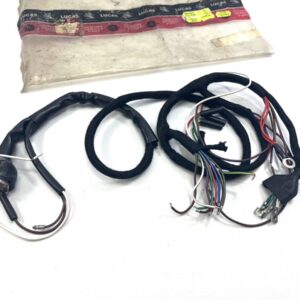
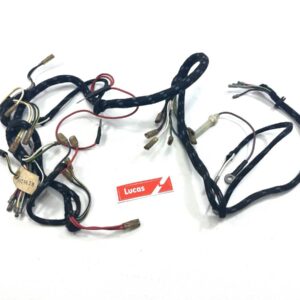
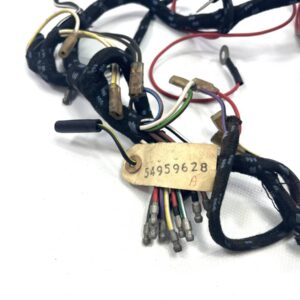
  • Harnesses: full looms and sub-looms, in the patterns we can supply
  • Connectors: bullet, snap and spade terminals with their insulators
  • Protection: sleeving, grommets, P-clips and ties
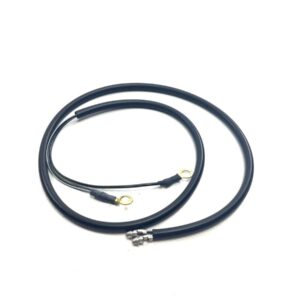
  • Earths and feeds: earth straps, battery leads and fuse holders

Before you cut anything out

Photograph the loom in place and label the tails at the switches and the lamps while they are still connected. If you are not certain which pattern your machine should carry, send the frame and engine number and tell us what electrics are on it now rather than what the book says it should have left the factory with.